

Hearing loss rarely announces itself as silence.
More often, it shows up in everyday situations where communication starts to feel harder – and where the people around you notice changes before you do. A partner, family member, or coworker may comment first, even when things still seem mostly fine to you.
If any of the situations below sound familiar, you are not imagining it. These are some of the most noticeable everyday signs of hearing loss, and common reasons people decide it is time to get their hearing checked.
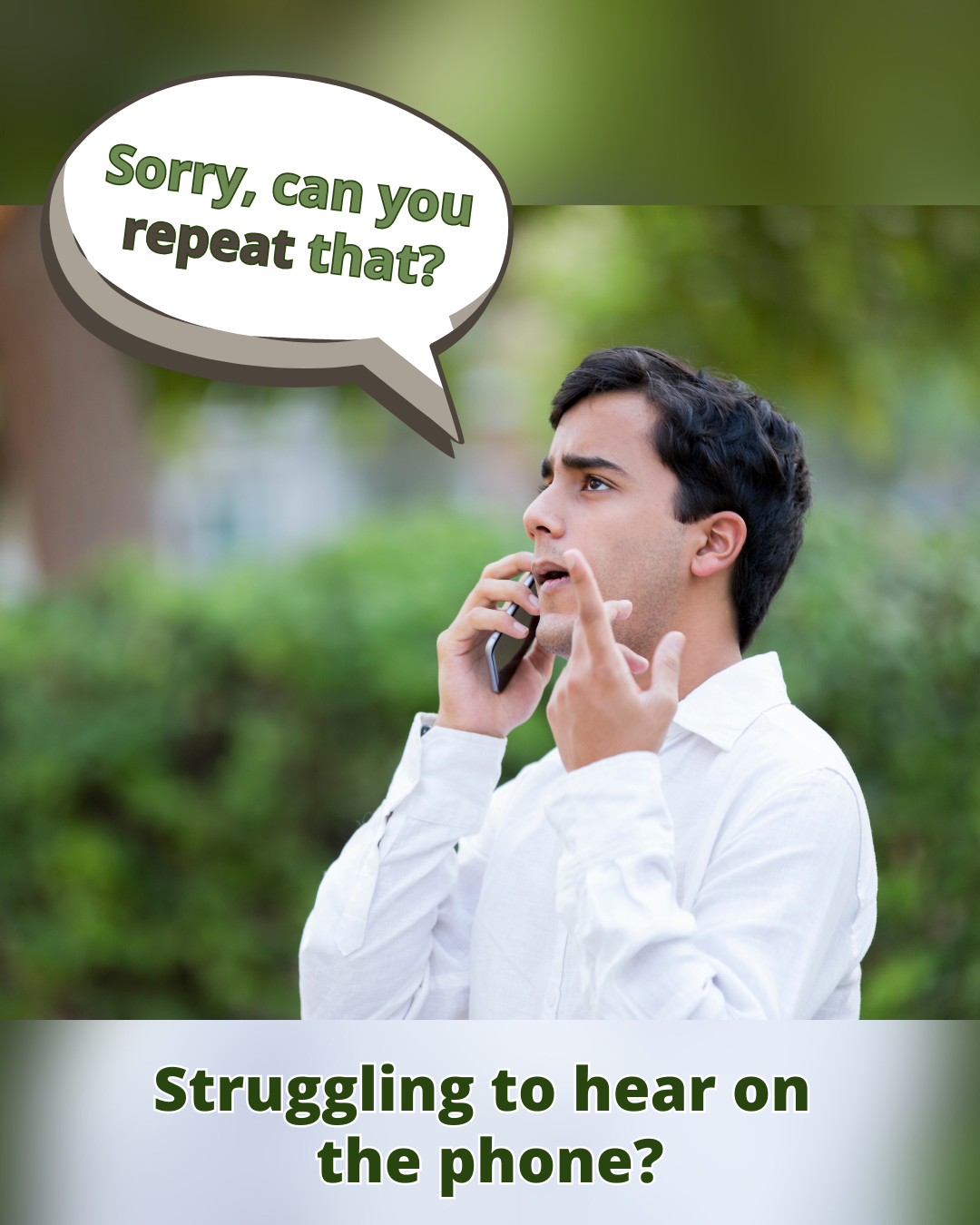
1. Phone calls become loud, frustrating, or quietly avoided
This is one of the first changes others tend to notice.
You might find that:
- Phone calls are taken on speaker more often
- You are told you sound loud without realizing it
- Callers seem muffled or unclear, even at full volume
- You ask people to repeat themselves frequently
- Calls feel tiring or are avoided altogether
Phones do not just test volume – they test clarity. When hearing changes affect certain speech sounds, turning the volume up does not always help. In fact, it can make conversations more exhausting for everyone involved.
Many people describe this experience as phone hearing loss. It is often one of the earliest signs that hearing clarity has changed, even if in-person conversations still feel manageable.
2. Conversations in the car start to feel strained or fade away
Cars are one of the most challenging listening environments, even for people with good hearing.
With road noise, music, and voices coming from different directions, hearing changes often show up as:
- The radio turned up high, then turned down suddenly to talk
- Difficulty hearing passengers, especially from the back seat
- Missed comments followed by “Never mind”
- Quieter drives with far less conversation than before
Many couples do not realize how much conversation has faded in the car until they think about it. These moments often raise a quiet question – is this just background noise, or something more?
For many adults, this is an early sign of hearing loss that becomes noticeable in everyday life.
3. Doorbells, alarms, and everyday alerts are missed
This sign is often brushed off at first, but it tends to stand out to others quickly.
It may look like:
- The doorbell rings, but no one answers
- Alarms are slept through
- Phone notifications need to be louder than before
- Email or meeting alerts are noticed late or missed
- Someone else starts pointing out alerts you did not hear
Many people assume this is a device issue. Volume settings, notification permissions, or Do Not Disturb mode are usually blamed first – and those are worth checking.
When settings are correct and alerts are still being missed, hearing is often the missing piece. Alert tones and chimes rely on higher-frequency sounds, which are often the first to fade when hearing changes begin. That is why someone may still hear voices fairly well, yet miss beeps, alarms, or notifications entirely.
This is more than an inconvenience. Missed alerts can affect safety, routines, and even work responsibilities, often leading a partner or coworker to compensate without realizing it.
Why these situations matter
None of these signs mean someone has done anything wrong.
They simply reflect that hearing is no longer working the way it used to in real-life situations. When hearing changes are understood early, they are easier to manage and less stressful for everyone involved.
A hearing test can:
- Explain why certain sounds are harder to hear
- Confirm whether hearing has changed
- Establish a clear baseline for the future
- Provide reassurance for both you and those around you
If these situations sound familiar, the questions below may help explain what is happening.
Frequently asked questions about hearing changes
Why can I not hear my alarm, doorbell, or notifications anymore?
Many people assume this is a phone or device issue. While settings should always be checked, missed alerts are often linked to hearing changes.
Alarm tones, chimes, and notifications use higher-frequency sounds. These are commonly the first sounds to become harder to hear, even when speech still seems fairly clear. This is why alerts may be missed while conversations appear mostly normal.
Is talking loud or mumbling a sign of hearing loss?
It can be.
When hearing clarity changes, people often speak louder without realizing it or are told they are mumbling. This is especially noticeable on phone calls or in noisy environments. Partners and family members frequently notice these changes before the person experiencing them does.
Are these early signs of hearing loss in adults?
Yes. Difficulty on phone calls, strained conversations in the car, and missed alerts are common early signs of hearing loss in adults.
Hearing loss rarely begins with silence. More often, it shows up as effort, frustration, and small everyday moments that no longer work the way they used to.
Why do I hear some sounds but miss others?
Not all sounds are affected equally by hearing changes.
Higher-pitched sounds, such as beeps, alerts, and certain speech sounds, are often affected first. This explains why someone may hear voices but miss alarms, doorbells, or notifications. This pattern is very common and one reason hearing changes can go unnoticed for a long time.

Ready to get clear answers?
Noticing these changes does not mean you need hearing aids. It simply means it may be time to understand what is happening.
A hearing test can help:
- Clarify what you are experiencing
- Answer questions without pressure
- Provide peace of mind
- Support better communication at home and work
At Polo Park Hearing Centre, hearing tests are unhurried, supportive, and explained in plain language. There is no pressure and no obligation.
You do not have to come alone. Many people choose to bring a spouse, family member, or caregiver for support.
Call (204) 788-1083 to book a hearing test in Winnipeg.
Sometimes one appointment is all it takes to make everyday life feel easier again.